

Whether you're chasing lap times or carving up B-roads, choosing the right brake pad compound is critical. Ferodo, a name synonymous with braking excellence, offers a range of high-performance compounds tailored to different driving styles and conditions. In this guide, we’ll break down the key Ferodo compounds we list - DS2500, DS3000, DSUNO and DS1.11. This guide will help you find the perfect match for your setup.
- Shop Ferodo Brake Pads for Audi S & RS
-
Shop Ferodo Brake Pads for BMW M and M-Lite
-
Shop Ferodo Brake Pads for Ford ST & RS
- Shop Ferodo Brake Pads for Honda Type R
- Shop Ferodo Brake Pads for Hyundai N
- Shop Ferodo Brake Pads for Mercedes AMG
-
Shop Ferodo Brake Pads for Mini Cooper S/JCW
-
Shop Ferodo Brake Pads for Porsche
- Shop Ferodo Brake Pads for Renault RS
- Shop Ferodo Brake Pads for Cupra
- Shop Ferodo Brake Pads for Toyota GR
- Shop Ferodo Brake Pads for Volkswagen GTI/R
Who Are Ferodo?
Founded in 1897 in Derbyshire, Ferodo is one of Britain’s most iconic brake specialists. With over a century of innovation, they were the first to develop modern friction materials and have since become a global leader in both OEM and motorsport braking solutions. Today, Ferodo is part of Federal-Mogul Motorparts and continues to supply premium brake components to top-tier manufacturers and racing teams worldwide. Their racing department is now housed in Italy.

Ferodo Brake Pad Compounds: Overview & Use Cases
|
Compound |
Type |
Best For |
Key Benefits |
Considerations |
|---|---|---|---|---|
|
DS2500 (H) |
Fast Road / Track Day |
Daily drivers, spirited road use, light track |
Excellent cold bite, low noise, fade-resistant |
Not ideal for heavy track abuse or race tyres |
|
DS3000 |
Race Only |
Sprint racing, time attack |
High friction, rapid bite, consistent at temp |
Not road legal, aggressive on discs |
|
DSUNO (Z/ZB) |
Race / Endurance |
Track cars, endurance racing |
Strong bite, high temp stability, good modulation |
Can be harsh on discs, premium pricing |
|
DS1.11 (W/WB) |
Race / Endurance |
Track day warriors, GT racing |
Long-lasting, gentle on discs, consistent feel |
Slightly less initial bite than DSUNO |
|
DS3.12 |
Race / Endurance |
Heavy, high horsepower track builds |
Highest friction level, disc & pad longevity |
Strictly track only, high noise, high dust, more expensive |
Choosing the Right Compound
When selecting your Ferodo compound, consider:
- Driving style: Road, track day, or full race?
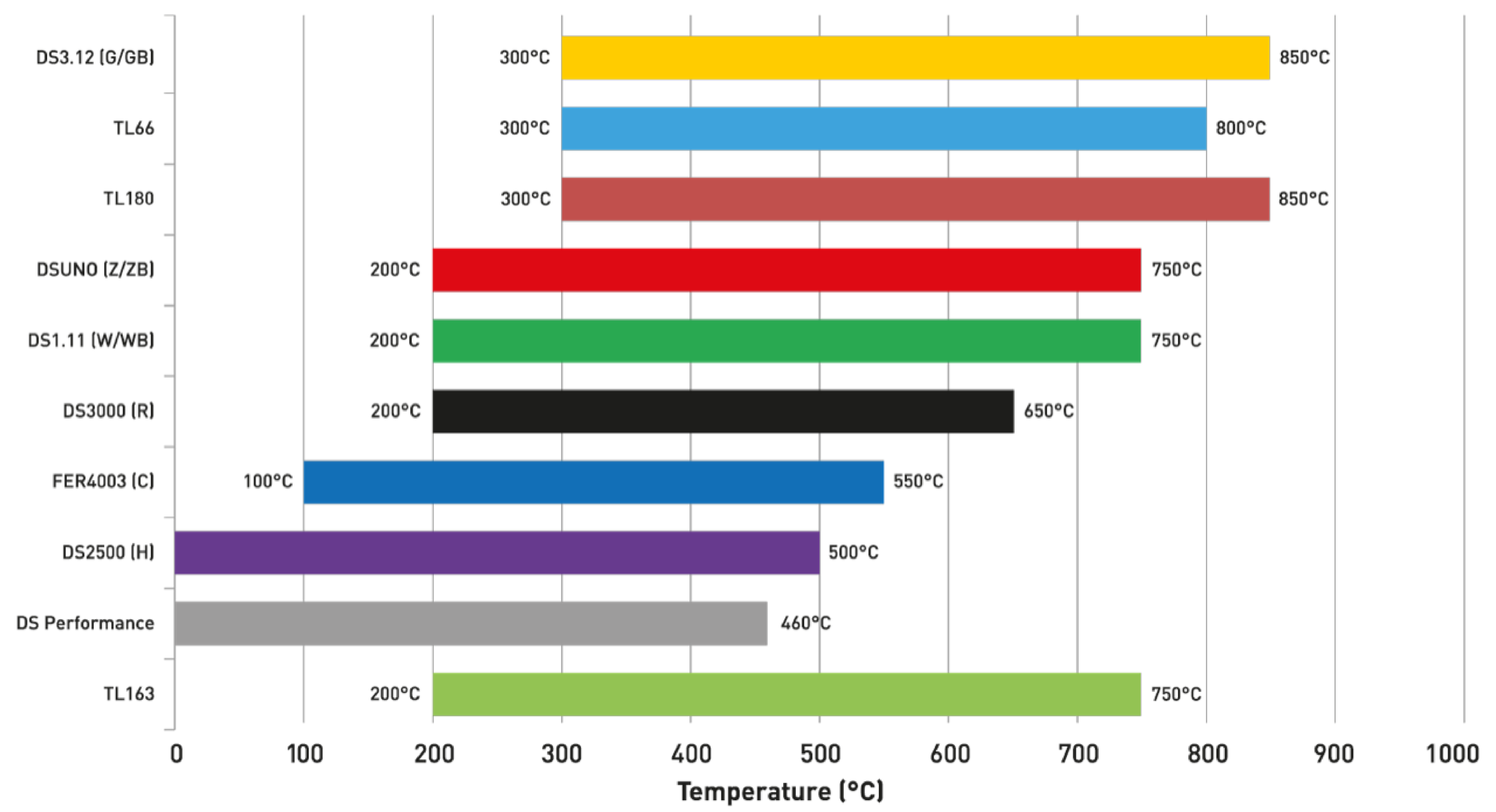
- Vehicle weight and power: Heavier, more powerful cars demand higher temp resistance.
- Tyre choice: Race tyres generate more heat (choose accordingly)
- Budget and maintenance: Some compounds wear faster or are harder on discs.

Real Talk: Managing Brake Dust & Noise (Squeal)
When upgrading to performance friction, it is important to have realistic expectations regarding noise and dust. High-performance pads trade the soft, ultra-quiet, organic materials of factory commuter pads for aggressive metallic and ceramic compounds engineered to withstand extreme heat.
Here is what you need to know about living with Ferodo Racing compounds day-to-day:
What to Expect Across the Range
-
Ferodo DS2500 (Fast-Road / Track): While often considered the benchmark for high-performance street driving, the DS2500 is still a true motorsport-derived compound. Under light pedal application at low speeds, such as creeping up to a junction or crawling in stop-and-go traffic, they can produce a squeal or harmonic whistle. They also produce a noticeable amount of dark brake dust compared to standard OEM or ceramic street pads. However, this minor trade-off buys you exceptional cold bite, a firm pedal feel, and high-temperature fade resistance that factory pads simply cannot match.
-
Track & Race Compounds (DS1.11, DSUNO, DS3.12): Dedicated track pads require heat to operate within their optimal friction window. When driven cold on the street, these aggressive compounds will squeal loudly and generate heavy, metallic brake dust. This is completely normal behavior for a high-torque race pad operating outside its intended thermal range.
4 Tips to Minimize Squeal and Manage Dust
Avoid "Dragging" the Brakes: Light, gentle pressure on a high-friction pad allows microscopic harmonic vibrations to build up between the pad and disc face, which creates squeal. Applying the brake pedal decisively and firmly dampens these vibrations and keeps the system quiet.
- Execute a Proper Bedding-In Procedure: Following Ferodo’s recommended bed-in cycle transfers an even layer of friction material onto the brake disc face. A patchy or incomplete transfer layer is the leading cause of persistent brake squeal and pedal vibration.
- Use High-Temp Brake Grease: Applying a thin layer of dedicated high-temperature ceramic brake grease (such as CeraTec) to the pad backing plate contact points and caliper guide rails prevents high-frequency chatter without contaminating the friction material.
- Coat Your Wheels for Easy Cleaning: Performance brake dust is an inevitable byproduct of stopping power. Applying a high-quality ceramic wheel coating makes aggressive Ferodo brake dust slide off effortlessly with a pressure washer, keeping your wheels looking fresh with minimal scrubbing.
The Round Up
Ferodo’s range covers everything from spirited street driving to elite-level motorsport. Whether you’re building a dual-purpose daily or prepping for your next track day, understanding the nuances of each compound helps you stay in control... literally and figuratively.